Sustainable Solutions: How E-Waste Recycling Services Are Saving Our Planet
E-waste represents a considerable hazard to the environment, as disposed electronics frequently harbor hazardous substances. Such dangerous compounds can pollute soil and water supplies, leading to broader ecological damage. E-waste recycling services present a viable solution. They successfully retrieve useful resources while simultaneously minimizing environmental pollution. Comprehending the operation of these services and their influence on communities is of great importance. Pursuing efficient e-waste management brings forth pressing questions regarding individual duties and shared responsibility. What steps can be taken next?
Why E-Waste Is Bad for the Planet
While technology enhances modern life, electronic waste presents considerable environmental hazards. Discarded electronic devices, often containing hazardous materials such as cadmium, lead, and mercury, may release harmful substances into the surrounding soil and water supply, presenting dangers to ecosystems and human health. The rapid pace of technological advancement contributes to increased consumer turnover of electronics, exacerbating the accumulation of discarded electronic materials.
Landfills, already burdened with waste, struggle to accommodate the growing volumes of discarded gadgets. Burning, an alternative disposal approach, discharges toxic contaminants into the air, worsening overall air quality. Moreover, poor recycling procedures can cause e-waste to be sent to developing regions, where employees may disassemble electronics without sufficient safety precautions, leaving them vulnerable to harmful substances. This pattern of negligence and mismanagement highlights the critical demand for eco-friendly recycling alternatives that can reduce the damaging impact of electronic waste on the environment.
What Is E-Waste and Its Importance?
E-waste, or electronic waste, includes discarded electronic devices including smartphones, computers, and televisions that are no longer functional or needed. This rapidly expanding waste category is noteworthy because of its swift buildup, driven by technological advancements and consumer trends. As growing numbers of electronics become outdated, the toll on the environment grows more severe, with toxic materials such as lead, mercury, and cadmium threatening both ecosystems and public health.
The importance of addressing e-waste lies not only in mitigating these hazards but also in recognizing the valuable materials it contains. Valuable metals and rare earth materials can be extracted and repurposed, lessening the demand for mining and preserving natural resources. With a thorough understanding of e-waste and its impact, people and organizations alike can make educated decisions about disposal and recycling, helping to build a more sustainable world. Effective handling of e-waste is vital for encouraging a circular economy and advancing environmental responsibility.
How the E-Waste Recycling Process Works
Recycling e-waste involves a systematic process aimed at reclaiming useful resources while limiting ecological damage. Initially, electronic waste is gathered and delivered to purpose-built recycling plants. Upon arrival, the electronics are carefully categorized to distinguish harmful elements from reusable resources.
After this step, specialists break down the items, separating metals, plastics, and glass. This phase is essential, as it allows for the reclamation of rare metals like silver, gold, and copper, which can be reused in modern electronics.
Following this, the sorted materials are treated using advanced techniques, such as shredding and specialized chemical treatments, to cleanse them for further use.
Ultimately, the remaining dangerous materials are managed properly, following environmental guidelines. This comprehensive process not only saves important resources but also mitigates the risks connected to unsafe e-waste handling, ensuring a more sustainable future for the consumption of electronics.
How E-Waste Recycling Benefits You and Your Community
Though many people are unaware, the benefits of e-waste recycling extend beyond personal convenience to positively impact entire communities. By properly recycling electronic waste, individuals help foster a healthier environment, decreasing hazardous materials that can leach into soil and water. This proactive approach works to protect local ecosystems and advances public health.
Additionally, e-waste recycling fosters job creation within communities. Local recycling facilities often require personnel for diverse activities, from collection to processing, thus generating valuable job opportunities for local residents. This not only boosts the local economy but also encourages community engagement in sustainable practices.
In addition, understanding of e-waste recycling can lead to awareness campaigns, encouraging residents to adopt eco-friendly choices. By taking part in e-waste recycling programs, individuals promote a culture of sustainability, encouraging others to embrace similar practices. All things considered, the collective impact of these actions can lead to a more sustainable and conscientious community.
How to Select an E-Waste Recycling Service
Picking the most suitable e-waste disposal service is crucial for ensuring that e-waste is managed in a responsible and sustainable manner. To begin, people should confirm the company's accreditations, such as R2 or e-Stewards, which indicate compliance with industry standards for responsible recycling methods. It's also important to assess the organization's standing by reading customer reviews and looking for advice from dependable sources.
Moreover, transparency in the recycling process is vital. A trustworthy provider should supply straightforward details about how e-waste is processed and what happens to the materials. Moreover, evaluating the range of services offered can be beneficial; various firms may supply retrieval services or extend benefits for recycling.
In addition, learning about local guidelines related to e-waste disposal can help inform the evaluation process. By taking these elements into account, consumers can play a role in efficient electronic waste handling as well as promoting green and responsible behaviors.
How You Can Take Part in E-Waste Recycling?
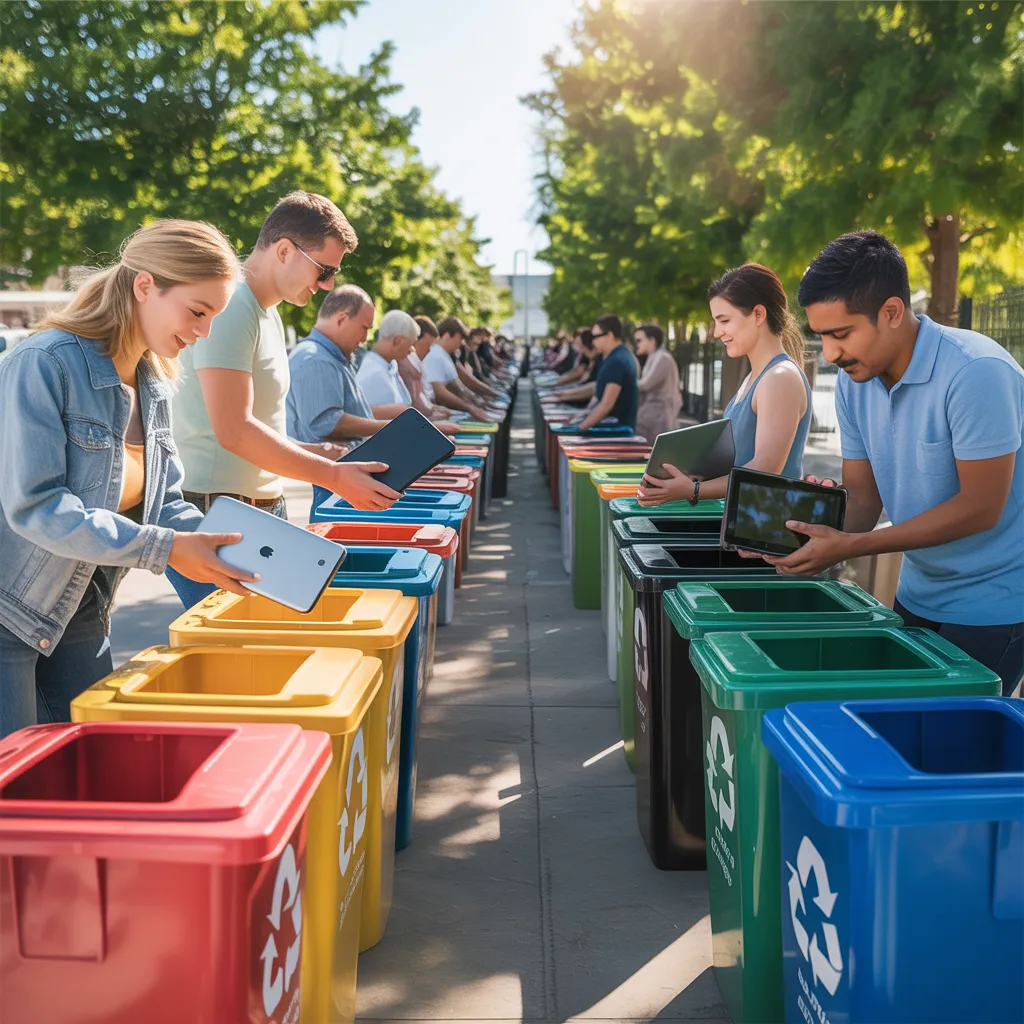
Participating in e-waste recycling can start at the local level, where community recycling hubs often provide essential services for responsible disposal. Additionally, joining community awareness campaigns can enhance efforts to raise awareness about the importance of responsible e-waste management. Such efforts not only encourage sustainable practices but also cultivate a collective sense of stewardship of the environment.
Local Recycling Centers
A wide range of community recycling facilities play an essential role in electronic waste recycling, offering communities convenient opportunities to handle electronic waste in a responsible manner. These stations receive a range of electronic devices, including used computers, handheld devices, and televisions, ensuring that harmful materials are handled safely. The majority of facilities employ qualified professionals who help individuals navigate appropriate See all disposal procedures, stressing the significance of recycling instead of landfilling. In addition, many centers offer drop-off events or designated collection days, making it easy for residents to participate. By engaging with these local facilities, residents support a circular economy, reducing environmental impact and promoting sustainable practices. Engaging with these centers enables communities to combat e-waste pollution successfully.
Community Outreach Campaigns
Local organizations, schools, and businesses can work together to organize events that support e-waste collection drives. Volunteers can play a pivotal role in raising awareness, sharing informational resources, and connecting with local residents. By means of these joint initiatives, local inhabitants gain greater awareness and encouragement to properly recycle their e-waste, thereby helping to build a greener and more sustainable tomorrow.
Answers to Your Most Common Questions
What Types of Electronics Can Be Recycled?
Numerous electronics are able to be recycled, including smartphones, computers, laptops, televisions, printers, and gaming consoles. Additionally, ancillary devices such as mice, keyboards, and batteries are equally appropriate for recycling, aiding in environmental conservation efforts.
Are There Fees Involved With E-Waste Recycling?
That's correct, electronic waste recycling sometimes comes with charges, depending on the provider. Some facilities apply costs for collection or processing, while some providers make services available at no charge, frequently supported by the sale of reclaimed components.
What Are the Benefits of E-Waste Recycling for Businesses?
Businesses can benefit from e-waste recycling by reducing disposal costs, enhancing their environmental image, complying with regulations, extracting valuable resources, and possibly earning income through resale, thus supporting a greener and more sustainable operational framework.
What Becomes of Data on Recycled Devices?
Details from refurbished electronics is commonly completely removed or eliminated throughout the recycling process. This guarantees confidential data remains secure, blocking unwanted intrusion while permitting materials to be repurposed carefully and ethically in new products.
Are Broken Electronics Eligible for Recycling?
Indeed, non-functioning electronics are able to be recycled. Many centers receive broken devices, providing proper disposal and retrieval of precious materials. This effort helps reduce the environmental footprint while encouraging sustainable recycling habits to manage e-waste responsibly.